
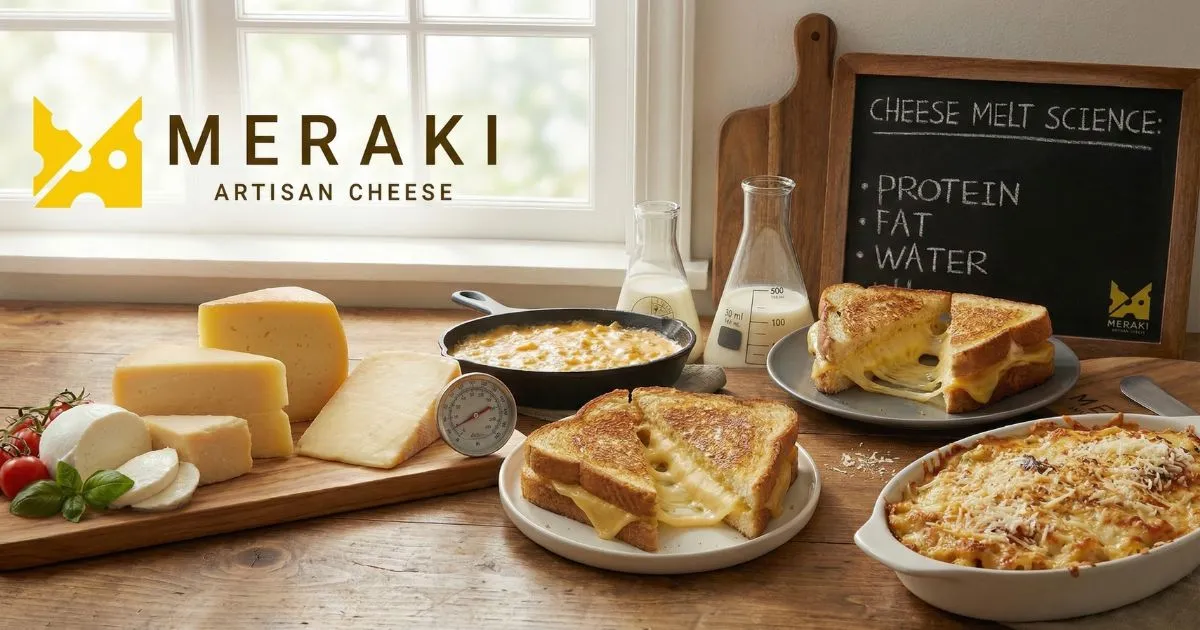
Cheese is one of those magical foods that can transform an ordinary dish into a culinary masterpiece. From gooey pizza toppings to creamy macaroni and cheese, the way cheese melts is crucial to the final texture and flavour of a dish. Yet, anyone who has cooked with cheese knows that not all cheeses behave the same. While some stretch beautifully, others may become oily, clump, or barely melt at all. So, what causes these differences? The answer lies in the intricate science of cheese composition, moisture content, protein structure, and even the environment in which it’s cooked. Hence, choosing the best cheese brand in India can make a remarkable difference, because quality craftsmanship directly influences how beautifully a cheese melts, stretches, and enriches your dish.
Understanding Cheese Composition
At its core, cheese is a blend of water, proteins, fat, and sometimes added salts or cultures. The primary proteins in cheese, casein molecules, form a network that traps fat and water. This network determines how a cheese will behave when heat is applied.
- Water Content: Soft cheeses like Mozzarella have high moisture levels, which allow them to melt smoothly and create that signature stretch. In contrast, aged cheeses like Parmesan contain less water, making them firmer and more prone to browning rather than forming a stretchy melt.
- Fat Content: Fat acts as a lubricant between protein strands. Cheeses with higher fat content thus tend to melt more evenly and develop a creamy texture. Low fat cheeses, on the other hand, often melt unevenly, resulting in a rubbery or grainy texture.
The Role of Protein Structure
How a cheese melts depends largely on its protein structure. The casein network in cheese is generally stabilized by calcium bridges, which hold the protein strands together. When cheese is heated, these protein bonds begin to break down, allowing the fat and water to move more freely and creating a melty texture. However, the extent and manner of protein breakdown vary by cheese type.
- Fresh Cheeses: Cheeses like Mozzarella and cream cheese have a loosely knit protein network, which breaks down quickly under heat, giving a smooth, flowing melt.
- Aged Cheeses: Cheddar or Gouda, on the other hand, have a tighter protein structure reinforced by higher calcium content. This leads to slower melting and, sometimes, fat separation if overheated.
The way proteins interact is why shredded aged cheddar sometimes forms clumps rather than a smooth layer when melted.
pH Levels and Acidity
Acidity is a factor in cheese that can affect both flavour and melting behaviour. Cheese with a lower pH (more acidic) tends to melt more readily because acid weakens the casein bonds. For example, Mozzarella is slightly acidic, allowing it to melt uniformly and form the stretchy layers that are essential for a perfect slice.
Conversely, cheeses with higher pH, such as Swiss or Cheddar, maintain stronger protein networks. These cheeses resist melting initially and may need longer, gentler heating to achieve the desired texture.
Salt and Additives
Salt is another key player in the melting behaviour of cheese. It helps regulate moisture, strengthens protein networks, and enhances flavour. Hence, an excessive amount of salt can make the cheese firmer and less likely to melt smoothly, while too little can make it overly soft and greasy.
The Effect of Cheese Aging
Do you know that aging can change both the flavour and texture of cheese? As cheese ages, proteins break down gradually, and moisture content decreases. This makes older cheeses firmer and more crumbly. When melted, aged cheeses may not flow as freely as fresh cheeses; instead, they may brown quickly or develop a granular texture.
For instance:
- Young Gouda melts smoothly due to its higher moisture content.
- Aged Gouda tends to be more brittle and less stretchy, ideal for grating over dishes rather than melting into sauces.
Understanding the age of the cheese can help chefs predict its behaviour during cooking.
Temperature and Cooking Method
Even the best cheese can behave unpredictably if the heat is not managed properly. High temperatures can cause the proteins to tighten suddenly, forcing out water and fat and creating a greasy or rubbery result. Slow, gentle heating on the other side allows the protein network to loosen evenly, resulting in a creamy, uniform melt.
- Direct Heat: Pan-frying or oven baking a cheese can produce browning and flavour, but may require careful timing to prevent separation.
- Indirect Heat: Melting cheese over a double boiler or in a sauce allows gradual temperature control, reducing the risk of graininess or oil separation.
Shredding vs. Slicing
The shape and cut of cheese play a significant role in how it melts. Finely shredded cheese melts more quickly and evenly than thick slices. This is because the shredded pieces have a greater surface area exposed to heat, allowing the protein network to break down more uniformly. However, commercial pre-shredded cheese often contains starch or anti-caking agents that can slightly alter texture, making block cheese a better choice for achieving a natural melt.
What Sets Commercial and Artisanal Cheese Apart When It Comes to Melting?
Commercial cheese is typically manufactured on a large scale with consistency and extended shelf life as primary goals. To achieve this, producers often incorporate stabilizers, emulsifying salts, and anti-caking agents. These ingredients help maintain uniform texture, prevent separation, and reduce clumping during storage. As a result, processed cheese tends to melt smoothly and predictably because emulsifiers keep moisture and fat evenly combined.
Artisanal cheese, on the other hand, is crafted in smaller batches using traditional methods and minimal or zero additives. The focus is on flavour complexity, natural aging, and authenticity rather than extended preservation. Since it does not usually contain emulsifiers, artisanal cheese may behave differently when heated. Hence, if not melted gently or balanced with the right ingredients, natural fats and proteins can separate. In essence, commercial cheese prioritizes convenience and uniform performance, while artisanal cheese emphasizes craftsmanship, purity, and distinctive taste.
Practical Tips for Perfect Melting
Understanding the science behind cheese melting allows for better results in the kitchen:
- Choose Cheese Wisely: For stretchy melts, use high-moisture, young cheeses like Mozzarella. For a flavourful topping, consider aged cheeses such as Cheddar or Parmesan that brown nicely.
- Mind the Temperature: Avoid high heat; melt cheese slowly to prevent separation.
- Grate Fresh: Shred or slice cheese from a Mozzarella block instead of relying on pre-shredded versions.
- Mix Different Varieties: Mixing a creamy, high-moisture cheese with a firmer, aged variety such can balance meltability and flavour.
- Consider Acidity: Slightly acidic cheeses melt more evenly, which is why adding a splash of lemon juice or white wine can help in cheese sauces.
Fun Science Fact: Cheese Stretch
That irresistible cheese pull, the one that turns heads when you lift a pizza slice or dip into fondue, is pure edible drama powered by stretched mozzarella. Its delicately woven protein structure, abundant moisture, and gentle acidity make it the undisputed champion of meltability. When heat works its magic, the protein bonds relax and unfurl into silky strands of casein that hold onto fat and water, creating that glossy, elastic stretch that defines the ultimate comfort bite.
Cheese in Culinary Applications
The way cheese melts is more than a kitchen curiosity; it can define the success of a dish. Here’s how.
- Pizza: Requires a cheese that melts evenly without separating. Our Mozzarella is thus ideal for pizza, sometimes combined with a small proportion of Cheddar or Parmesan for flavour.
- Mac & Cheese: Smooth sauces need a mixture of cheeses such as Swiss cheese, Mozzarella and Cheddar that melt consistently into creamy liquid without clumping.
- Grilled Sandwiches: A combination of our Gouda and Cheddar, ensures a gooey texture and rich taste.
- Baking: Cheeses with low moisture content, such as Parmesan, can brown and form a crust without making the dish watery.
- Fondue: A perfect fondue calls for cheeses that melt smoothly into a velvety blend without turning stringy or oily. Semi-hard varieties like Gruyère can work beautifully, creating a rich, cohesive dip. A touch of cornstarch helps stabilize the mixture, ensuring a silky texture that coats bread and vegetables evenly.
So, chefs must choose the right cheese for the task, balancing moisture, fat, and protein content to achieve the perfect culinary effect.
Conclusion
Cheese melting is not just cooking; it’s a quiet kitchen transformation where science turns solid into silk. A delicate choreography of moisture, fat, protein, acidity, and heat decides whether your cheese becomes a luscious cascade of creaminess or a stubborn, oily layer. Each variety of cheese carries its own personality, waiting for the right temperature and technique to reveal its most indulgent form. Master this hidden alchemy, and you don’t just cook with cheese, you conduct a melt that tastes like pure comfort.
So when your cheese bubbles, stretches, or surprises you, remember you’re witnessing edible science in motion. So, are you ready to experience melting at its most magical? Explore the artisanal excellence of Meraki Cheese, a renowned gourmet cheese company, and bring home varieties crafted to melt, stretch, and elevate every dish into a show-stopping delight.