
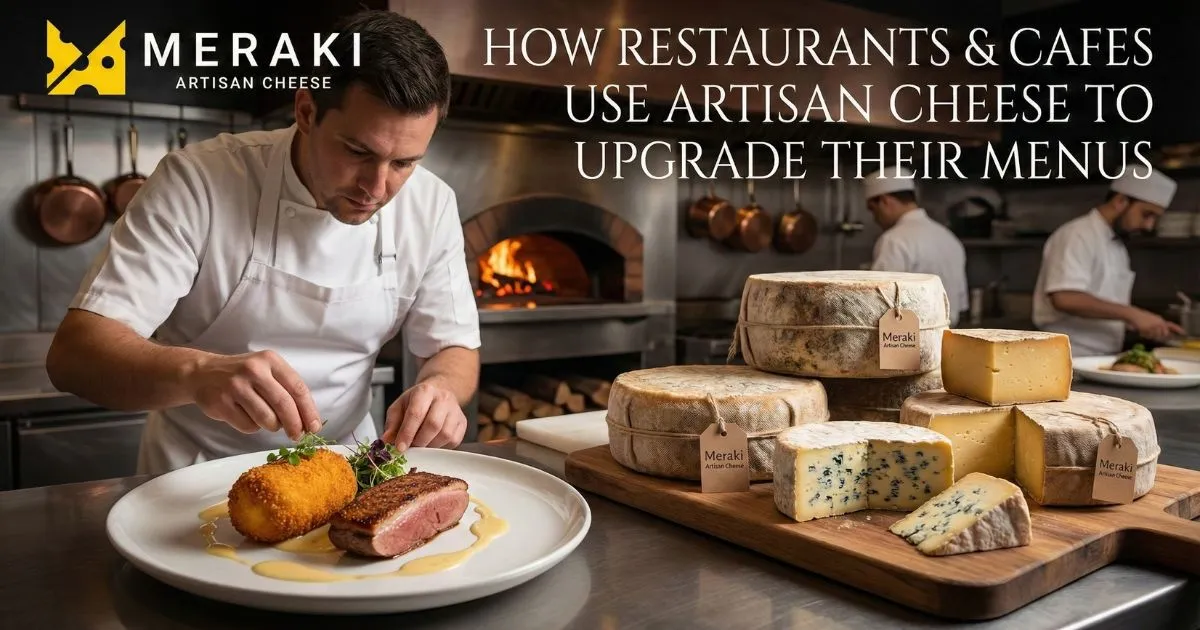
In the evolving world of food culture, where diners crave novelty, authenticity, and exceptional taste, artisanal cheese stands as one of the silent heroes on menus worldwide. Once limited to simple pairings or cheese plates, fresh natural cheeses now elevate everything from appetizers to desserts. Whether it’s a café reinventing comfort food or a fine-dining restaurant crafting haute cuisine, artisanal cheese has become a premium ingredient that drives flavour innovation, increases perceived value, and enhances customer experience. In this blog, we’ll explore how and why restaurants and cafes should use artisanal cheese to upgrade their menus, why chefs love cheese as an ingredient, and how this trend reflects broader shifts in culinary preferences.
What Is Artisanal Cheese?
Before diving deeper, let’s clarify what we mean by artisanal cheese. Artisanal cheese refers to quality cheeses made with artisan techniques, premium milk sources (cow, goat, sheep), and distinctive flavour profiles. These cheeses often come from specific regions and may be aged for depth of flavour. All our artisanal cheeses differ from mass-produced commercial varieties in complexity, texture, aroma, and culinary versatility.
The Rising Popularity of Artisanal Cheese
Over the past few decades, global food culture has shifted significantly. Diners are now more informed, adventurous, and interested in origin-driven food experiences, which has encouraged cafes and restaurants to prefer artisanal cheeses to make their menus feel distinctive and premium. Unlike mass-produced cheese, artisanal varieties are crafted in small batches using traditional methods, often from locally sourced milk, resulting in deeper flavours, unique textures, and seasonal character that cannot be replicated industrially.
This authenticity allows chefs to elevate even simple dishes, including sandwiches, pastas, salads, and desserts, into memorable culinary experiences. Customers, in turn, are increasingly willing to pay a little more for foods that feel handcrafted, traceable, and visually appealing, especially in an era where social media celebrates gourmet presentation through cheese boards, molten pulls, and refined plating. Michelin-level chefs also favour local artisanal cheese because it reflects terroir, supports regional producers, and adds originality to their creations instead of the uniform taste of factory-made products.
Although artisanal cheese is indirectly more expensive due to careful production, aging time, and quality ingredients, its ability to transform flavour, enhance exclusivity, and communicate craftsmanship makes it a valuable centrepiece rather than just a garnish. According to industry data, specialty cheese sales have steadily risen, and it’s not just fine dining driving that demand. Cafes and casual eateries are increasingly featuring cheese-centric dishes to attract curious and quality-driven diners. Cheese today is more than a garnish; it’s a core ingredient.
How Restaurants Use Gourmet Cheese to Upgrade Menus
1. Innovative Cheese-Based Appetizers & Small Plates
Gourmet cheese has become a dynamic foundation for modern appetizers and sharing plates, allowing chefs to experiment with texture, temperature, and contrast. Because cheese naturally complements both sweet and savoury elements, it offers endless opportunities for creative expression at the start of a meal. These starters bring indulgence and memorability early in the meal, increasing guest satisfaction.
2. Cheese Boards as Curated Culinary Experiences
Cheese boards have evolved far beyond simple assortments of sliced cheese. Today, they are thoughtfully curated tasting journeys that showcase regional cheeses with tasting notes, pairings with honeycomb, charcuterie, pickles, and fruit preserves, and suggested wine, beer, or cocktail matches. By elevating cheese boards from simple snacks to thoughtfully crafted offerings, restaurants can increase both average order value and guest engagement.
3. Reimagined Comfort Classics
Premium cheese for restaurants allows chefs to reinvent beloved comfort dishes without losing their emotional appeal. By incorporating premium varieties, traditional recipes gain depth, character, and sophistication. These aren’t just flavour upgrades; they’re storytelling vehicles that allow chefs to craft dishes that resonate with nostalgia and innovation.
4. Signature Main Courses with Cheese at the Centre
In many modern kitchens, artisanal cheese plays a starring role in main courses rather than acting as a secondary garnish. Its ability to melt, crust, bind, or infuse flavour makes it highly versatile in entrée development. By incorporating premium cheeses, chefs not only differentiate their offerings but also justify higher price points because of the quality of the ingredients.
5. Cheese-Centric Desserts and Sweet Applications
In recent years, cheese has also carved out a refined place on dessert menus. Its natural creaminess and subtle tang allow chefs to create sweets that feel indulgent yet balanced. Chefs now incorporate cheese into sweet courses, not just cheesecakes. Using handcrafted artisanal cheese adds richness and complexity, turning desserts into memorable highlights rather than afterthoughts.
How Cafes Use Artisanal Cheese to Upgrade Their Menus
Cafes often bridge casual comfort with refined tastes, and artisanal cheese helps them do that in creative ways.
Brunch Classics with Cheese Twists
Brunch menus often gain a premium feel from artisanal cheese, which adds both substance and sophistication. Cheeses on brunch menus enhance texture, increase protein content, and satisfy taste preferences for hearty brunch items.
Cheese-Infused Baked Goods
Bakeries and café kitchens increasingly integrate artisanal cheese into breads and pastries to diversify their offerings. Cheese enhances aroma during baking and contributes richness to the texture. These baked goodies pair perfectly with coffee or tea and offer a savoury alternative to sweet pastries.
Signature Café Specials That Keep Customers Curious
Artisanal cheese also inspires cafés to craft signature dishes that customers cannot easily find elsewhere. Those creations turn everyday café visits into memorable tasting experiences, encouraging repeat visits and word-of-mouth buzz. By rotating cheeses based on season or sourcing from local producers, cafés keep their menus dynamic, giving regular customers something new to discover while reinforcing a sense of craftsmanship and exclusivity.
Creative Ways Bars and Pubs Can Feature Artisanal Cheese
Bars and pubs are increasingly leveraging artisanal cheese to enrich their beverage programs and stand out in a crowded nightlife scene. Thoughtfully assembled cheese boards paired with wines, craft beers, or even premium spirits create guided tasting moments that invite patrons to slow down and explore flavour combinations. A sharp aged cheddar can amplify the caramel notes of a stout, while a creamy blue cheese can contrast beautifully with citrusy ales or botanical cocktails. Many pubs now design small cheese bites specifically to accompany signature drinks, enhancing smoky, herbal, or fruity profiles while adding a touch of sophistication to the menu. This approach not only elevates the drinking experience but also encourages guests to stay longer, order additional rounds, and view the venue as a destination for refined yet relaxed indulgence.
Why Chefs Love Gourmet Cheese
Chefs gravitate toward exclusive artisanal cheeses because they unlock an extraordinary range of culinary advantages. Their adaptability is equally valuable as they can melt into velvety sauces, bind ingredients, add body to fillings, or enhance texture in both hot preparations and chilled plates. Beyond functionality, artisan cheeses signal quality and craftsmanship to diners, naturally elevating a dish’s perceived worth and allowing restaurants to position their offerings more competitively. Just as importantly, each cheese carries a story of its region, its makers, and its aging traditions; it also enables chefs to turn a simple course into a memorable narrative experience rather than merely a meal.
Business Impact of Artisanal Cheese Integration
Integrating artisanal cheese into menus doesn’t just taste good; it makes business sense. Premium ingredients elevate perceived value, enabling restaurants to command higher price points. Visually appealing cheese-based dishes generate social media engagement, acting as organic marketing tools. Additionally, diverse cheese applications allow for seasonal menu rotation without overhauling the entire kitchen operation.
Ultimately, artisanal cheese serves as both a culinary asset and a strategic investment. Its versatility, storytelling potential, and ability to create memorable taste experiences make it one of the most powerful tools restaurants, cafés, pubs, and bars use to upgrade their menus in today’s competitive dining landscape.
The Closing Thoughts
In a world where diners crave distinction, artisanal cheese is no longer an add-on; it’s a statement. From refined appetizers to indulgent desserts, the right cheese transforms ordinary menus into unforgettable culinary journeys. Restaurants that embrace premium, artisanal varieties don’t just serve food; they craft experiences that guests remember and return for. If you’re ready to elevate your offerings with exceptional flavour and quality, it’s time to partner with Meraki Cheese, where passion, craftsmanship, and taste come together to redefine your menu. Connect with Meraki to order gourmet cheese online and bring premium indulgence straight to your kitchen.
Fun Fact: Did you know that aging cheese not only intensifies its flavor but can also naturally reduce lactose levels, making widely aged varieties easier to digest?